
Alcohol-Free vs Alcohol Tinctures: Glycerin Explained
Eran Graham
The dropper bottle in your hand is filled with one of two things: an alcohol extract or an alcohol-free glycerin extract. They are made differently, taste differently, and suit different people. Here is how to tell which you want.
Tinctures have been made for centuries, and for most of that history "tincture" meant an alcohol extract. Today a large share of the supplements on the shelf are alcohol-free glycerin extracts instead, often called glycerites. Both are legitimate, both have real trade-offs, and the right one depends on you. This guide explains the difference without the marketing spin.
Quick answer on alcohol vs alcohol-free tinctures
An alcohol tincture uses high-proof alcohol as the solvent to pull compounds out of a plant. An alcohol-free tincture uses food-grade vegetable glycerin instead, usually with water. Alcohol is a stronger, broader solvent with a very long shelf life, but it carries an alcohol content and a sharp taste. Glycerin is gentler, naturally sweet, and alcohol-free, which makes it pleasant for daily use and suitable for people avoiding alcohol, with the trade-off of a shorter shelf life and the need for careful formulation to extract tougher plant material.
What a tincture actually is
A tincture is simply a liquid extract: plant material soaked in a solvent that draws the active compounds out of the rigid plant cell walls, then strained. The solvent is the whole story, because it determines what gets extracted, how it tastes, how long it lasts, and who can comfortably take it. The two main choices are alcohol and vegetable glycerin. For the longer history of the format, see tincture history.
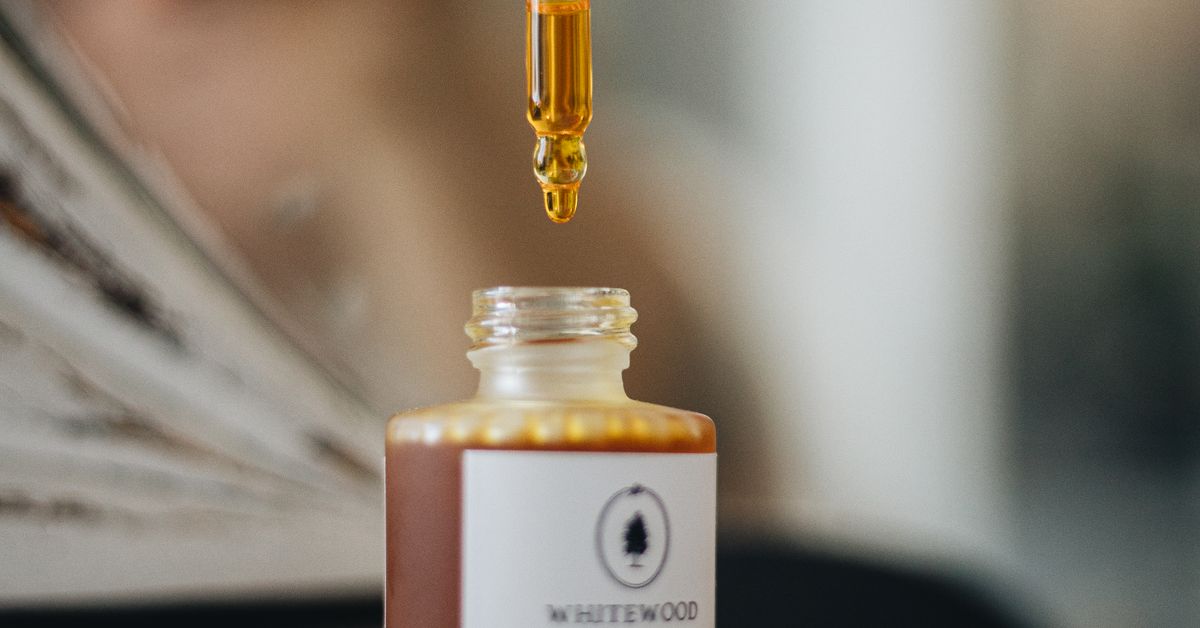
Alcohol tinctures
Alcohol has been the traditional tincture solvent for good reason. High-proof alcohol is a strong, broad solvent that pulls a wide range of plant compounds, including some that water and glycerin struggle with, and it is especially effective at extracting tough materials like roots, barks, and resins. It is also an excellent preservative, giving alcohol tinctures a shelf life that can stretch to years.
The trade-offs are taste and the alcohol itself. Alcohol tinctures have a characteristic sharp, hot bite when taken straight, and they contain alcohol, which is a dealbreaker for some people: those avoiding alcohol for personal, religious, or health reasons, and anyone who simply dislikes the burn. The amount per dose is small, but it is not zero.
Alcohol-free glycerin tinctures
Glycerites use food-grade vegetable glycerin, typically blended with water, as the solvent. Glycerin is naturally sweet and smooth, which makes these extracts far more pleasant to take straight, and they are completely alcohol-free. That combination is why glycerin tinctures have grown so popular for daily use: they are gentle, palatable, and accessible to people who cannot or prefer not to take alcohol.
The honest trade-offs are two. Glycerin is a gentler solvent than alcohol, so extracting compounds from tougher plant parts like roots takes more careful formulation, often using heat or water steps and proper glycerin-to-water ratios rather than a simple soak. Research on glycerol and water mixtures as extraction solvents has found they can perform comparably to ethanol systems for certain plant compounds when the ratios and conditions are chosen carefully, which is exactly the point: process does the work that the solvent alone will not. The second trade-off is shelf life. Glycerin tinctures generally keep for a shorter period than alcohol ones, typically measured in a couple of years rather than many. A well-made glycerin extract solves the first issue through process and the second through clean manufacturing and sensible storage.
Which should you choose?
It comes down to priorities. Choose alcohol if you want the broadest, most traditional extraction and the longest shelf life, and the alcohol content and sharp taste do not bother you. Choose alcohol-free glycerin if you want a smooth, sweet, easy-to-take daily extract with no alcohol, and you are buying from a maker that formulates and tests carefully.
For daily-use wellness supplements that you will take consistently over months, the palatability and alcohol-free nature of a quality glycerin extract is why many modern brands, including us, choose it. Both our Logic Lion's Mane and Golden Turmeric are alcohol-free glycerin extracts built with multi-step extraction processes specifically so the gentleness of glycerin does not come at the cost of pulling the compounds that matter. If you want the fuller background on one of them, our complete lion's mane guide covers the ingredient end to end.
The quality factor that outranks the solvent
Whichever solvent you prefer, the bigger determinant of a good tincture is how it is made and tested. A carefully formulated glycerin extract from an audited, third-party-tested facility beats a carelessly made alcohol one, and vice versa. Solvent is a preference. Manufacturing quality is the floor. Our guide on choosing a tincture walks through the checks that matter most.
Frequently asked questions
What is the difference between an alcohol and alcohol-free tincture? An alcohol tincture uses high-proof alcohol as the solvent, which extracts broadly and preserves for years but tastes sharp and contains alcohol. An alcohol-free tincture uses vegetable glycerin, which is sweet, smooth, and alcohol-free but gentler as a solvent and shorter-lived.
Are glycerin tinctures as effective as alcohol ones? A well-formulated glycerin extract can effectively capture plant compounds, but because glycerin is a gentler solvent, it relies on careful process such as heat or water steps and proper ratios, especially for tough materials like roots. Quality of manufacturing matters more than the solvent alone.
Why choose an alcohol-free tincture? For its palatability and because it contains no alcohol, which suits daily use and anyone avoiding alcohol for personal, religious, or health reasons. Glycerin's natural sweetness also makes it easy to take straight.
Do alcohol-free tinctures expire faster? Generally yes. Glycerin tinctures have a shorter shelf life than alcohol tinctures, so follow the label dates and store them cool, dark, and tightly capped.
These statements have not been evaluated by the Food and Drug Administration. This product is not intended to diagnose, treat, cure, or prevent any disease. This is not medical advice and is for informational purposes only. Before using any dietary supplement, always consult a licensed healthcare professional, especially if you are pregnant or breastfeeding, taking prescription or over-the-counter medications, or have or suspect a medical condition.
Sources
Latest Advances in Green Extraction of Polyphenols from Plants, Foods and Food By-Products. 2024.


