
The Complete Turmeric Guide
Anthony Gucciardi
Everything we know about turmeric, organized in one place. Start here, then go deeper wherever you need to.
Turmeric is one of the oldest and most studied botanicals on earth, and also one of the most confusingly marketed. The gap between whole-root turmeric and an isolated curcumin extract shapes almost every question people have about it. This guide is our complete map: what it is valued for, how to take it, how absorption really works, and where the golden spice came from.
Turmeric at a glance
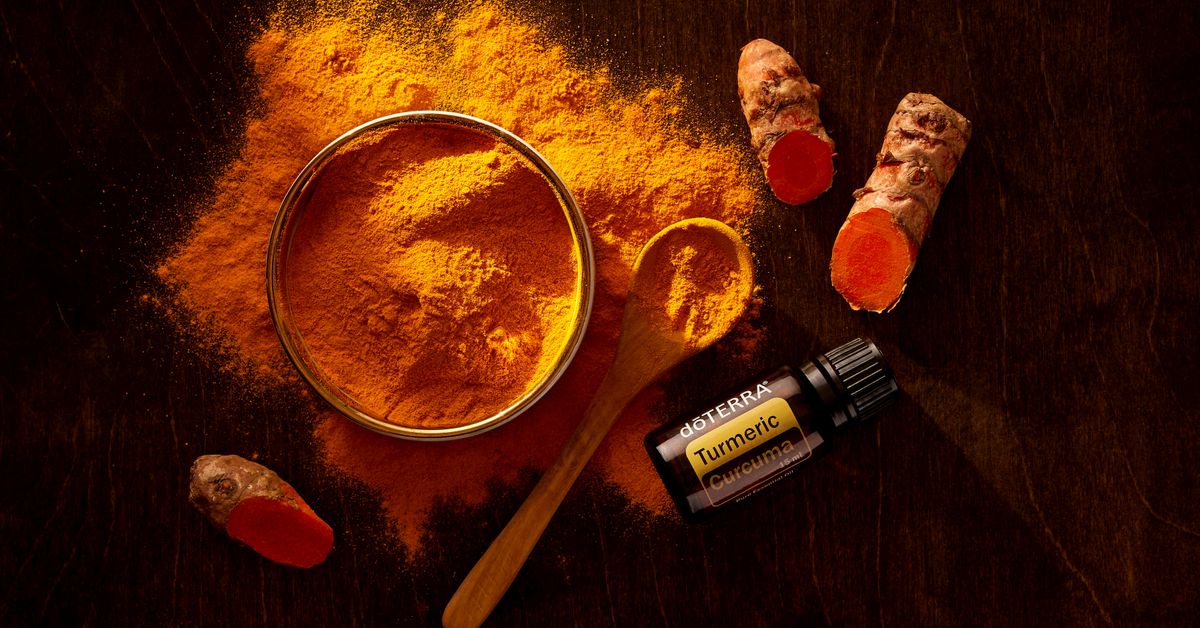
Turmeric is the root of Curcuma longa, traditionally valued for supporting the body's natural, healthy inflammatory response, joint comfort and everyday mobility, and antioxidant support. Its most studied compound is curcumin, though curcumin is only a small fraction of the whole root. The key practical insight is that isolated curcumin absorbs poorly, while whole-root extracts keep the plant's own fat-soluble oils and compounds intact. Taking turmeric with a little fat is the simplest way to get more from it.
Start here: benefits and the basics
- Turmeric benefits, what the golden spice is genuinely valued for.
- Whole root vs curcumin, the single most important distinction to understand.
- The absorption question, and why the common advice does not apply to every form.
How to take it
- Turmeric tincture guide, the complete beginner walkthrough.
- How much per day, with the official intake reference explained.
- Best time to take it, and why routine beats the clock.
- Tincture vs capsules vs powder, how the formats compare.
- Fresh vs powdered turmeric, for cooks and everyday users.
Recipes and rituals
- Golden milk, the oldest turmeric ritual, with a recipe.
- Turmeric tea, benefits and a five-minute recipe.
- Turmeric and ginger, why the two roots are always paired.
History and tradition
- Turmeric in Ayurveda, nearly 4,000 years of the golden spice.
Quality and how it is made
- Choosing a quality tincture, the checks that matter most.
- Whole-plant extraction, what full-spectrum really means.
- Why we choose alcohol-free, the glycerin philosophy.
- How we make our extracts, the standards we prioritize.
Our approach
Our Golden Turmeric is a whole-root, alcohol-free glycerin extract: the complete Curcuma longa root rather than an isolated fraction, made for simple daily use.
Frequently asked questions
What is turmeric good for? It is traditionally valued for supporting the body's natural, healthy inflammatory response, joint comfort and everyday mobility, and antioxidant support. It is best seen as a daily wellness spice rather than a treatment.
Is whole-root turmeric better than curcumin? Neither is universally better. Whole root delivers the plant's full natural spectrum with its own oils intact, while isolated curcumin gives a concentrated single fraction that usually needs an added absorption enhancer.
How do you get the most from turmeric? Take it with a little fat, since its key compounds are fat-soluble, and choose a well-made whole-root extract rather than a raw dried powder.
How much turmeric should you take daily? Follow your product's label. As a reference, food-safety bodies set an acceptable daily intake for curcumin of roughly 200 mg for a 70 kg adult.
These statements have not been evaluated by the Food and Drug Administration. This product is not intended to diagnose, treat, cure, or prevent any disease. This is not medical advice and is for informational purposes only. Before using any dietary supplement, always consult a licensed healthcare professional, especially if you are pregnant or breastfeeding, taking prescription or over-the-counter medications, have gallbladder problems, or have or suspect a medical condition.


