
Turmeric in Ayurveda: 4,000 Years of the Golden Spice
Sophia Moore
Turmeric did not become popular in the last decade. It has been treasured in India for close to four thousand years, with a name, a mythology, and a place in the oldest medical texts we have. This is the story of the golden spice.
Turmeric feels modern right now, the star of lattes and supplement labels. But it is one of the most ancient wellness ingredients on earth, and its history in India runs so deep that it is woven into language, ceremony, and the founding texts of Ayurveda itself. Understanding where it comes from makes that bottle of whole-root turmeric feel less like a trend and more like an inheritance.
Quick answer
Turmeric, known in India as haldi or haridra, has a documented history of use stretching back nearly 4,000 years to Vedic culture in India. It appears in the classical texts of Ayurveda, India's traditional system of medicine, and has been used as a spice, a dye, a sacred substance in ceremonies, and a traditional remedy. Its golden color and its role in Indian life have made it one of the most culturally significant plants in the world.
Nearly four thousand years of the golden root
The scale of turmeric's history is genuinely hard to overstate. A detailed scholarly review traces turmeric's medicinal use back nearly 4,000 years to Vedic culture in India, where it was used not only as a culinary spice but also carried religious significance. That places it among the oldest continuously used wellness plants known, valued long before anyone could name a single compound inside it.
By 1280, the spice had traveled far enough that the explorer Marco Polo described the spice. Turmeric was, in other words, a marvel of the medieval spice world, prized and traded across continents.
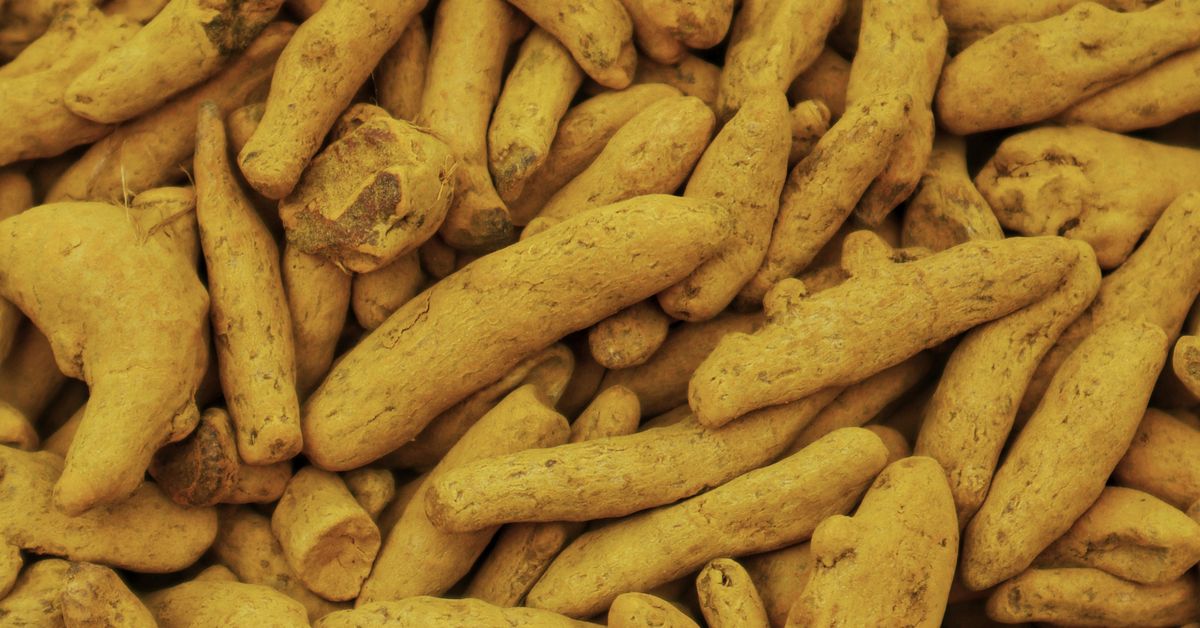
Haridra: a name that tells a story
In India turmeric is commonly called haldi, a word derived from the Sanskrit haridra. The names it carried across the subcontinent read almost like poetry, describing its color, its uses, and its sacred associations. It has long been considered auspicious, used in weddings and religious ceremonies, applied to the skin, and treated as a substance with meaning beyond the kitchen. A spice does not accumulate that many names and roles by accident. It happens when a plant becomes genuinely woven into a culture.
Turmeric in the classical texts of Ayurveda
Ayurveda, often translated as "the science of long life," is India's traditional system of holistic medicine, and turmeric holds an established place in it. The classical Ayurvedic literature records turmeric in a wide range of preparations. The ancient compendium attributed to the physician Sushruta, dating to around 250 BC, records a preparation containing turmeric, one example among many of how deeply the spice was embedded in traditional practice. Turmeric appeared in medicated ghees and oils, in pastes applied to the skin, and in preparations mixed with milk, honey, or warm water, the ancestor of today's golden milk.
It is worth being careful here. The traditional uses recorded in ancient texts are history, and history is not the same as a modern medical claim. Ayurveda valued turmeric for many purposes, but we present that as cultural heritage, not as proof of what a supplement will do for you today. What the long history does tell you is that generations of people paid close attention to this root and kept reaching for it.
From ancient root to modern extract
Where tradition and modern interest meet is curcumin and the other compounds turmeric contains. A widely cited review describes curcumin as the major polyphenol, which is the thread connecting the ancient golden root to the modern supplement aisle. But there is an important distinction that honors the tradition better than most products do: the old preparations used the whole root, not an isolated fraction of it. That is exactly the philosophy behind whole-root turmeric, which we explain in whole-root vs curcumin.
Our Golden Turmeric is built on that idea: the complete Curcuma longa root, the way turmeric was used for thousands of years, in a clean modern form. Turmeric is traditionally valued for supporting the body's natural, healthy inflammatory response, joint comfort and everyday mobility, and antioxidant support, and taking the whole root is the most traditional way to honor that long lineage. For one of the oldest ways to enjoy it, see our guide to golden milk.
Frequently asked questions
How old is turmeric's use in India? Turmeric has a documented history of use dating back nearly 4,000 years to Vedic culture in India, where it was used as a spice, a dye, and a part of religious and traditional practice.
What is turmeric called in Ayurveda? It is known as haridra in Sanskrit and haldi in common Indian usage. Haldi derives from haridra. Ayurveda, India's traditional system of medicine, records turmeric in many classical preparations.
Is turmeric mentioned in ancient texts? Yes. Turmeric appears in classical Ayurvedic literature, including a preparation in the compendium attributed to Sushruta dating back to around 250 BC, and the explorer Marco Polo described the spice in 1280.
Does the ancient history prove turmeric's benefits? No. The traditional record is cultural history, not modern clinical proof. It tells us turmeric was valued and used for millennia, while modern research on its compounds is a separate, ongoing story.
About the Author
Anthony Gucciardi is the founder of Of The Ancients, which he started in 2023 to create evidence-based natural formulations rooted in both traditional wisdom and modern science. He writes about herbal supplements, nootropics, and everyday wellness. Learn more about the founder.
These statements have not been evaluated by the Food and Drug Administration. This product is not intended to diagnose, treat, cure, or prevent any disease. This is not medical advice and is for informational purposes only. Before using any dietary supplement, always consult a licensed healthcare professional, especially if you are pregnant or breastfeeding, taking prescription or over-the-counter medications, have gallbladder problems, or have or suspect a medical condition.
Sources
Hewlings SJ, Kalman DS. Curcumin: A Review of Its Effects on Human Health. Foods. 2017.


