
Turmeric Tincture vs Capsules vs Powder: Which Is Best?
Anthony Gucciardi
Turmeric comes as a tincture, a capsule, or a loose powder, and the format you choose quietly changes how much your body can use and how likely you are to take it at all. Here is the honest breakdown.
Turmeric has an absorption problem that most people never hear about until after they have bought a bottle. The format you pick has a real effect on whether you work around that problem or run straight into it. This guide compares the three main ways turmeric is sold, on absorption, ease of use, taste, and cost, so you can choose based on how you actually live rather than on packaging.
Choosing a turmeric format: the short version
A liquid tincture is the easiest to take and folds into a daily routine without the chalky-capsule problem, which is why it suits most people who want consistency. Capsules win on convenience and zero taste. Loose powder is the cheapest and the most versatile for cooking, but it is the least precise and the most flavor-forward. With turmeric specifically, the bigger question across all three is absorption, since turmeric's key compounds are hard for the body to take up from a raw, dry powder.
The turmeric-specific catch: absorption
Before comparing formats, you have to understand the thing that makes turmeric different from most supplements. Curcumin, turmeric's headline compound, is poorly absorbed once isolated from the plant. A major review in the journal Foods states plainly that curcumin taken by itself is poorly absorbed. So a turmeric product is only as good as how well it solves that problem, and format plays directly into it.
A raw, dried turmeric powder, whether loose or packed into a capsule, is the format where the absorption problem bites hardest. The compounds are still locked in the dry plant matrix and your gut has to extract them. A liquid extract has already drawn those compounds out of the raw root, which is part of why a tincture tends to be a more usable delivery method than a chalky capsule of dried powder.
Tinctures
A turmeric tincture is a liquid extract, typically made by drawing the root into food-grade vegetable glycerin (alcohol-free) or alcohol. A few drops go into water, tea, or coffee, or straight onto the tongue.
The advantages are real. The compounds are already extracted from the raw plant, the dose is flexible, and the routine takes seconds, which is the single biggest driver of whether people stay consistent. A glycerin-based tincture is also alcohol-free and lightly sweet rather than harsh. The trade-off is taste: turmeric is warm and earthy, noticeable if you take it straight, though it disappears into a beverage. Our Golden Turmeric is a whole-root, alcohol-free glycerin tincture built for exactly this kind of daily, no-friction use.
Capsules
Capsules are the convenience pick. No taste, no measuring, no cleanup. You swallow and move on, which is ideal for people who travel or simply will not tolerate any flavor.
The trade-offs are two. First, many turmeric capsules are dried powder, the format where the absorption problem is worst, which is exactly why so many capsule products have to add an absorption enhancer to compensate. Second, capsules are a fixed dose with no flexibility, and the "horse pill" size of some turmeric capsules is a real adherence obstacle for some people. An extract capsule is better than a raw-powder one, so if you go the capsule route, look for an actual extract.
Powder
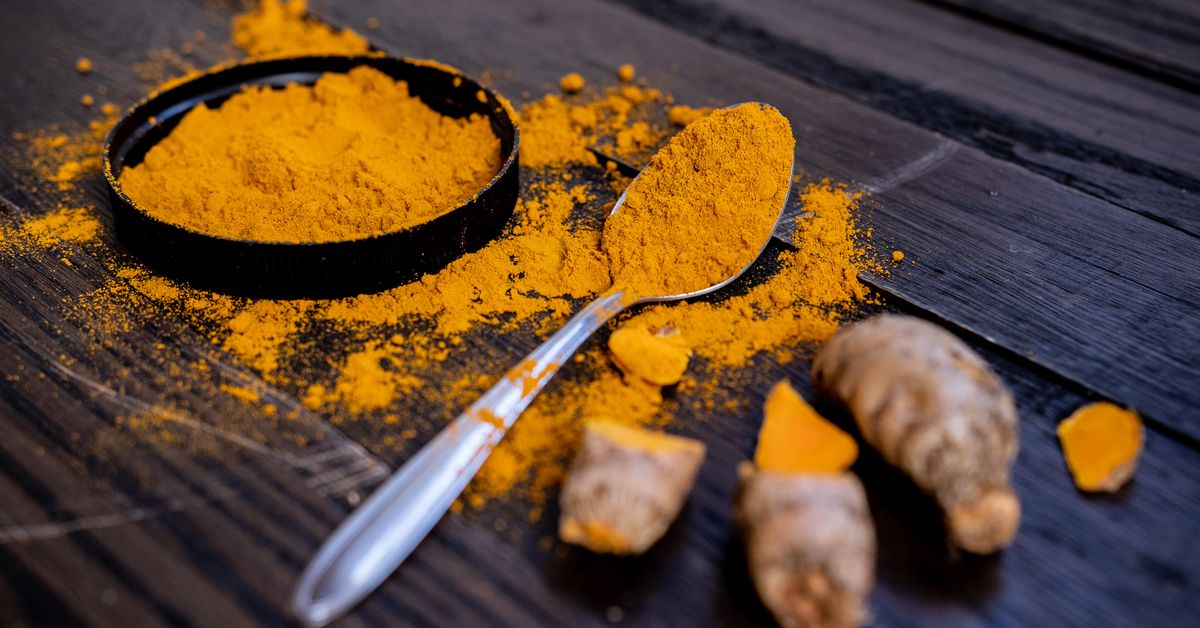
Loose powder is the original form and the cheapest per gram. It is unbeatable for cooking, golden-milk lattes, and anyone who wants to use turmeric as food rather than a supplement.
The downsides are precision and absorption. Eyeballing a spoonful is fine for flavor but imprecise for a consistent daily dose, and raw culinary powder is the form your gut works hardest on unless you cook it with fat, which is the traditional culinary approach for a reason. Powder is also the most flavor-forward by far, wonderful in a curry, strong in a glass of water.
Cost, and why "cheapest" is misleading
Loose powder is cheapest per gram, capsules sit in the middle, and tinctures and standardized extracts cost more because extraction is real work. But cost per gram is the wrong yardstick for turmeric more than almost any other supplement, precisely because of the absorption issue. A cheap powder where most of the curcumin passes through unabsorbed is not a deal. Judge value by how usable the format is, not the sticker price.
How to choose
Choose a tincture if you want the easiest daily routine and a format that has already done the extraction work for you. Choose capsules if taste-free convenience is the only thing that will keep you consistent, and favor an extract over raw powder. Choose loose powder if you cook with turmeric and treat it as food. Then, across all three, apply the same quality checks: whole-root or a real extract rather than mystery "turmeric," and third-party testing for heavy metals, which matters with turmeric in particular. More on that in choosing a tincture, and on the whole-root question in whole-root vs curcumin.
Frequently asked questions
What is the best form of turmeric to take? There is no single best form. A liquid tincture is the easiest to take consistently and avoids the dry-capsule absorption problem, capsules win on convenience, and powder is best for cooking. With turmeric, prioritize a format that addresses absorption.
Is a turmeric tincture better than capsules? A tincture delivers the compounds already extracted from the raw root and is easy to fold into a daily routine, while capsules are more convenient and tasteless. For absorption, a liquid extract has an edge over a dried-powder capsule.
Why is turmeric hard to absorb? Its main compound, curcumin, is poorly absorbed once isolated and is rapidly metabolized and eliminated. Liquid extracts and taking turmeric with a little fat are the practical ways to improve uptake.
Does turmeric powder work as well as a supplement? Culinary powder works well as food, especially cooked with fat, but it is imprecise for consistent dosing and runs into the same absorption limits as any raw, dried turmeric.
These statements have not been evaluated by the Food and Drug Administration. This product is not intended to diagnose, treat, cure, or prevent any disease. This is not medical advice and is for informational purposes only. Before using any dietary supplement, always consult a licensed healthcare professional, especially if you are pregnant or breastfeeding, taking prescription or over-the-counter medications, have gallbladder problems, or have or suspect a medical condition.
Sources
Hewlings SJ, Kalman DS. Curcumin: A Review of Its Effects on Human Health. Foods. 2017.


