
Astragalus Root: Benefits and Uses
Roger Maxwell
Please read first: this article is general educational information, not medical advice. Astragalus is studied for immune signalling, which makes it a genuine concern alongside immunosuppressant medication and in autoimmune conditions. Talk to your doctor before taking it.
Quick answer on astragalus
Astragalus (Astragalus membranaceus, also written Astragalus mongholicus) is a legume whose root is among the most widely used herbs in traditional Chinese medicine, where it is known as huang qi. It is classed as a tonic taken over long periods rather than a remedy for anything acute, and it is traditionally cooked into soup and broth rather than taken as a pill. Its research interest centres on immune signalling, which is also the reason a specific group of people should avoid it.
A food as much as a herb
Astragalus occupies an unusual place because its most common traditional use is culinary rather than medicinal in any narrow sense.
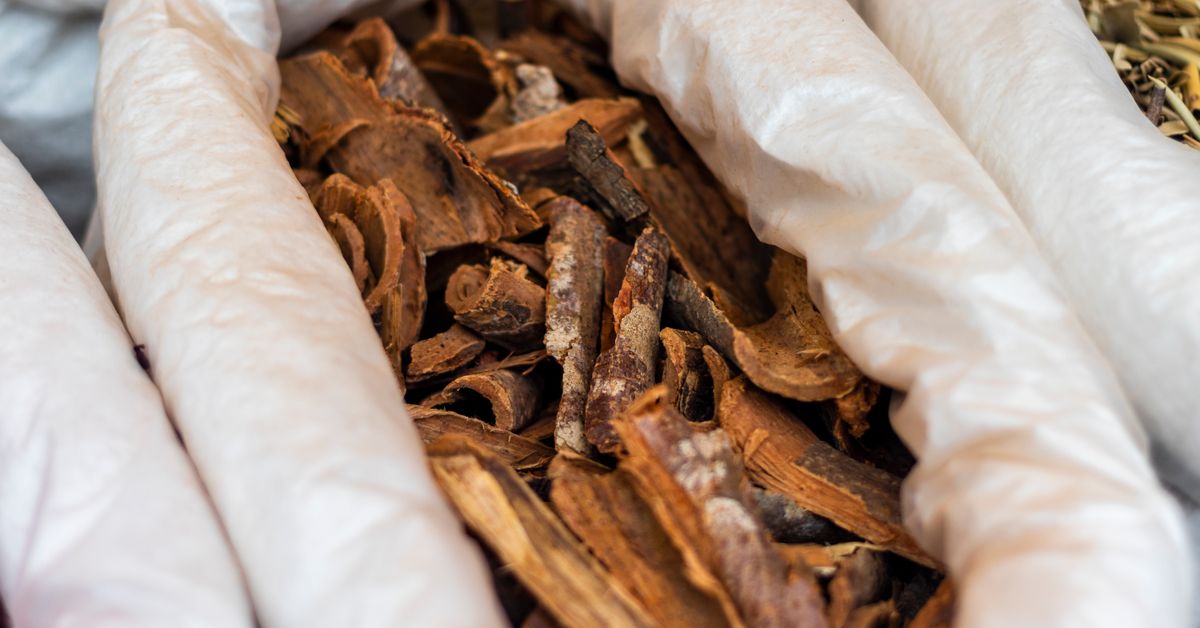
The dried root arrives as pale, tongue-depressor-shaped slices with a mild, faintly sweet, beany flavour. In Chinese home cooking these go into chicken soup and slow-simmered broths, particularly in colder months, and are usually removed before serving. The root itself stays woody and is not eaten.
That matters for how you think about it. A herb that has been simmered in family soup for centuries has a different practical safety record from one that only ever appeared in concentrated medicinal preparations, and it explains why astragalus is usually described as suitable for regular long-term use in the tradition.
In Chinese classification it is a qi tonic, grouped with herbs taken to build underlying vitality rather than to address a symptom, which is the same broad category that tonic herbs generally occupy.
What the research examines
Astragalus has a reasonably large published literature, and the shape of it is worth understanding before reading any individual claim.
The compounds most often studied are astragalosides, a group of saponins, and a set of polysaccharides. Laboratory and animal work has examined effects on immune cell activity, antioxidant behaviour, and a range of other endpoints.
Human trials in healthy people taking it as a supplement are considerably thinner. Reviews consistently note small samples, variable preparations and methodological limitations that make pooling difficult.
So the honest read: an old, widely used, reasonably well-tolerated herb with an interesting compound profile and an early supplement evidence base. Interesting rather than established, and no supplement treats or prevents any disease.
The immune question, stated carefully
This is where astragalus needs a clear head, because the popular framing and the practical caution point in opposite directions.
Astragalus is marketed almost universally for immune support. The research interest genuinely does centre on immune signalling. But immune support is a vague phrase doing a lot of work, and the specific finding — that a herb appears to increase certain immune cell activity — is exactly why it is not appropriate for everyone.
If you take immunosuppressant medication after a transplant or for an autoimmune condition, that medication is deliberately suppressing the system astragalus is studied for stimulating. Those two things work against each other, and this is not a theoretical concern.
Similarly, if you have an autoimmune condition, the reasonable default is caution rather than enthusiasm, and the decision belongs with your specialist rather than with a label.
We cover the general framework for raising this kind of thing in supplements and medications. A pharmacist can screen your whole list in one conversation.
How it is taken
The traditional route is a decoction — the sliced root simmered in water for a considerable time, often as part of a formula with other herbs rather than alone — or simply dropped into a pot of soup.
Modern supplements are capsules, powders and standardised extracts, sometimes specified to astragaloside IV content. As with any standardisation figure, it describes one measured compound and not the whole preparation, a distinction we unpack in what standardized extract actually means.
If you are buying it, the same questions apply as anywhere in this category: is the plant part named, is there a meaningful specification rather than a vague one, is there an extract ratio with a stated starting material, and is there a batch-matched certificate of analysis. Root herbs in particular deserve a heavy metals result, since a root spends its whole life drawing up whatever is in the soil — a point we make in is organic worth it for supplements.
Other cautions
Beyond the immune considerations, astragalus is generally advised against in pregnancy for lack of data. Some evidence suggests it may lower blood sugar, which is worth knowing alongside diabetes medication. And a handful of Astragalus species are genuinely toxic — locoweed, which poisons livestock, is a different species in the same large genus — so the binomial on the label is not a pedantic detail.
Frequently asked questions
What is astragalus used for? In traditional Chinese medicine it is a qi tonic taken over long periods to build underlying vitality. In modern usage it is marketed for immune support, and its research interest centres on immune signalling.
Is astragalus a food or a medicine? Both, in practice. The dried root is commonly simmered into chicken soup and broths in Chinese home cooking and removed before serving, alongside its use in medicinal decoctions.
Who should not take astragalus? Anyone on immunosuppressant medication, since the herb is studied for stimulating the system that medication suppresses. Anyone with an autoimmune condition should treat it as a specialist decision, and it is generally advised against in pregnancy.
What are astragalosides? A group of saponins that, along with a set of polysaccharides, are the compounds most often studied in astragalus. Some extracts are standardised to astragaloside IV.
Is all astragalus safe? The genus is large and some species are toxic, including the locoweed that poisons livestock. Check that the label states Astragalus membranaceus or mongholicus specifically.
How strong is the evidence? Laboratory and animal work is substantial, and human supplement trials in healthy people are small and methodologically variable. Interesting rather than settled.
Sources
National Center for Complementary and Integrative Health. Astragalus.
National Institutes of Health, Office of Dietary Supplements. Botanical Dietary Supplements: Background Information.
National Center for Complementary and Integrative Health. Herb-Drug Interactions.
National Center for Complementary and Integrative Health. Traditional Chinese Medicine: What You Need To Know.
This article is general educational information and is not medical advice. Consult your physician or pharmacist before starting any supplement, especially if you take prescription medication, have an autoimmune condition, are pregnant or breastfeeding, or have a medical condition. These statements have not been evaluated by the Food and Drug Administration. This product is not intended to diagnose, treat, cure, or prevent any disease.


