
Lion's Mane Fruiting Body vs Mycelium: Why It Decides Quality
Sophia Moore
This is the single most important thing to understand before you buy any mushroom supplement. The difference between fruiting body and mycelium-on-grain is the difference between buying mushroom and buying mostly grain. Here is the data, plainly.
If you only learn one thing about choosing a lion's mane product, make it this. Two bottles can both say "lion's mane," both look premium, and both cost about the same, while one contains a potent mushroom extract and the other is closer to powdered oats with a trace of fungus. The deciding factor is which part of the organism is inside, and how it was grown. This article explains the distinction, shows the lab numbers, and gives you the exact label language to check.
Quick answer on Mycelium vs. Fruiting Body
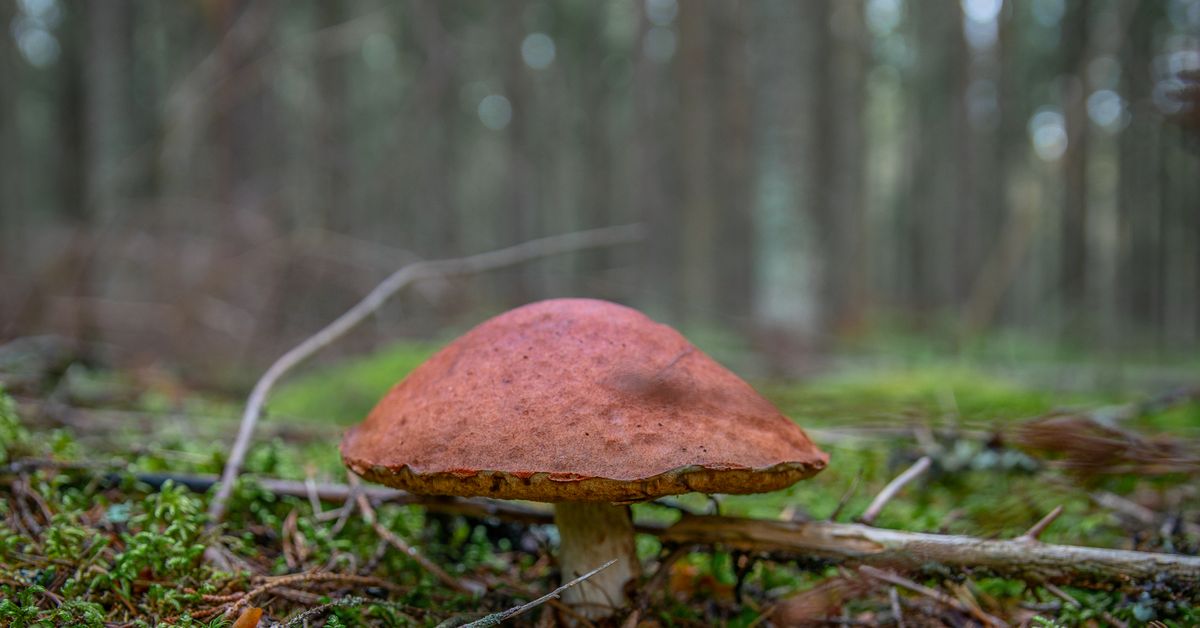
The fruiting body is the actual mushroom, the part with the highest concentration of the active compounds people want. Mycelium is the root-like growth stage, and in most commercial supplements it is grown on grain and dried together with that grain, a product called "mycelium on grain." Independent lab testing shows mushroom fruiting bodies are high in active beta-glucans and very low in starch, while mycelium-on-grain products are low in beta-glucans and high in starch from the leftover grain. For most buyers, a fruiting-body extract is the better, more honest choice.
The biology, briefly
A mushroom is just one stage of a fungus. Spores germinate into mycelium, a fine, root-like web that spreads through a growing medium and gathers nutrients. When conditions are right, that mycelium produces the fruiting body, the visible mushroom, which is what humans have eaten and used medicinally for thousands of years. The fruiting body is where the organism concentrates many of its most studied compounds. As the industry reference group Nammex puts it, the mushroom is the stage that "contains the greatest concentration of beneficial compounds."
Mycelium itself is not the villain here. The problem is how it is almost always produced for the Western supplement market.
Why "mycelium on grain" is the real issue
Growing fruiting bodies takes time, space, and skill. The cheaper, faster route many manufacturers use is to grow mycelium on a bed of sterilized grain such as rice or oats inside a bag, then dry and grind the whole thing, mycelium and grain together, into a powder. Because the mycelium is fused throughout the grain, the two cannot be separated. The result is a powder that is part fungus and largely leftover starch from the substrate.
This is not a fringe concern. It is how a large share of inexpensive "mushroom" supplements on the market are made, and the label rarely makes it obvious.
What the lab numbers actually show
The clearest evidence comes from beta-glucan and starch testing. Beta-glucans are the well-researched active polysaccharides in medicinal mushrooms. Starch is the marker of grain, because mushrooms naturally contain very little of it. So if a "mushroom" product is high in starch, you are largely looking at grain.
Nammex tested roughly 100 mushroom and mycelium samples using a mushroom-specific beta-glucan method and published the results. The pattern is stark. Whole mushrooms tested high in beta-glucans and under 3% starch on average. Mycelium-on-grain products averaged only single-digit to low-double-digit beta-glucans and a striking 35 to 40% starch. To put numbers on it from their data, whole reishi mushroom tested around 28% beta-glucan with 0.1% starch, while reishi mycelium samples tested as low as 1% beta-glucan with over 50% starch. Whole cordyceps mushroom hit 34% beta-glucan at under 2% starch, against mycelium samples down at 1.5% beta-glucan with 64% starch. Same pattern across shiitake, maitake, and turkey tail.
The conclusion the testing supports is blunt: with mycelium on grain, much of what you are paying for is the substrate, not the mushroom.
The compound nuance, told honestly
Here is where a careful answer matters, because the topic gets oversimplified in both directions. Lion's mane has two families of NGF-related compounds: hericenones, concentrated in the fruiting body, and erinacines, concentrated in the mycelium. Both have been shown to stimulate NGF synthesis, and a major chemistry review catalogs bioactive compounds. So mycelium is not worthless in principle. Carefully cultivated mycelium, harvested and separated from its substrate, can contain valuable compounds.
The catch is that almost no consumer products contain carefully separated mycelium. They contain mycelium-on-grain, where the actives are diluted into a large mass of starch. So the practical, real-world choice you face on a store shelf is usually not "fruiting body versus pure mycelium," it is "fruiting body extract versus mostly grain." Framed that way, the fruiting-body extract is the clear pick, and it has the added advantage that most of the human cognition research used fruiting-body material, such as the 12-week study and the 16-week trial.
How to read the label
You can usually tell what you are holding in a few seconds.
Look for "fruiting body." Quality lion's mane products state it plainly, often as "100% fruiting body" or "fruiting body extract." If it is there, that is a good sign.
Watch for "mycelial biomass" or "myceliated grain." These are the polite label terms for mycelium grown on grain. "Cultured on rice/oats" is another tell.
Be skeptical of bare "polysaccharides" numbers. Starch is also a polysaccharide, so a high "polysaccharide" figure can be inflated by grain. A specific beta-glucan percentage is the meaningful number.
Look for an extract and an extract ratio. "Extract" plus a ratio like 8:1 signals concentration. Raw, unextracted powder leaves much of the active content locked inside indigestible chitin.
Favor third-party testing. A brand that publishes its beta-glucan content and contaminant testing is telling you it has nothing to hide.
This connects directly to format. A great fruiting-body extract can be delivered as a tincture, capsule, or powder, which is why the format debate matters less than getting the source right. Our own Logic Lion's Mane is built on premium fruiting bodies and third-party tested, with the details on our scientific integrity page.
The bottom line
Source beats everything else on the label. A fruiting-body extract gives you the concentrated, well-studied part of the mushroom and avoids paying mushroom prices for leftover grain. Mycelium is not inherently bad, but the mycelium-on-grain that dominates the budget market is mostly starch, and the lab data makes that hard to argue with. Check for "fruiting body," check for a real beta-glucan number, check for third-party testing, and you have filtered out most of the weak products before you even consider price.
Frequently asked questions
Is fruiting body or mycelium better for lion's mane? For nearly all consumers, a fruiting-body extract is better, because the fruiting body is high in active beta-glucans and the mycelium-on-grain found in most cheap products is high in starch and low in actives. Pure, well-separated mycelium can have value, but it is rare on the shelf.
What is mycelium on grain? It is mycelium grown on a bed of grain such as rice or oats, then dried and ground together with that grain because the two cannot be separated. The finished powder is part fungus and largely leftover starch.
How can I tell if my supplement is fruiting body or mycelium? Read the label. "Fruiting body" is the good sign. "Mycelial biomass," "myceliated grain," or "cultured on rice" indicate mycelium on grain. A specific beta-glucan percentage and third-party testing are strong quality signals.
Why does starch content matter? Mushrooms naturally contain very little starch, so a high starch level in a mushroom supplement indicates grain filler from the growing substrate rather than actual mushroom.
These statements have not been evaluated by the Food and Drug Administration. This product is not intended to diagnose, treat, cure, or prevent any disease. This is not medical advice and is for informational purposes only. Before using any dietary supplement, always consult a licensed healthcare professional, especially if you are pregnant or breastfeeding, taking prescription or over-the-counter medications, or have or suspect a medical condition.


