
Sustainability and Low-Waste Herbal Extracts
Sophia Moore
Making herbal extracts uses plants, packaging, and energy, and how thoughtfully that is handled matters. Here is an honest look at the low-waste practices we care about, and how they factor into how our products are made.
Sustainability is easy to slap on a label and harder to actually practice. We would rather talk about specific, concrete habits than wave a vague green flag. This is a grounded look at the low-waste principles we prioritize when it comes to producing herbal extracts, framed honestly rather than as a badge.
Why we care and what we do
The low-waste practices we care about include composting spent botanical material instead of sending it to landfill, reusing and repurposing packaging and containers, using efficient extraction that gets more from less plant material, and favoring cleaner energy and thoughtful sourcing where possible. These follow the familiar reduce, reuse, and recycle principles applied to herbal production. They are practices we prioritize in how our products are made, and areas we consider important, rather than an absolute environmental guarantee.
Composting spent botanicals
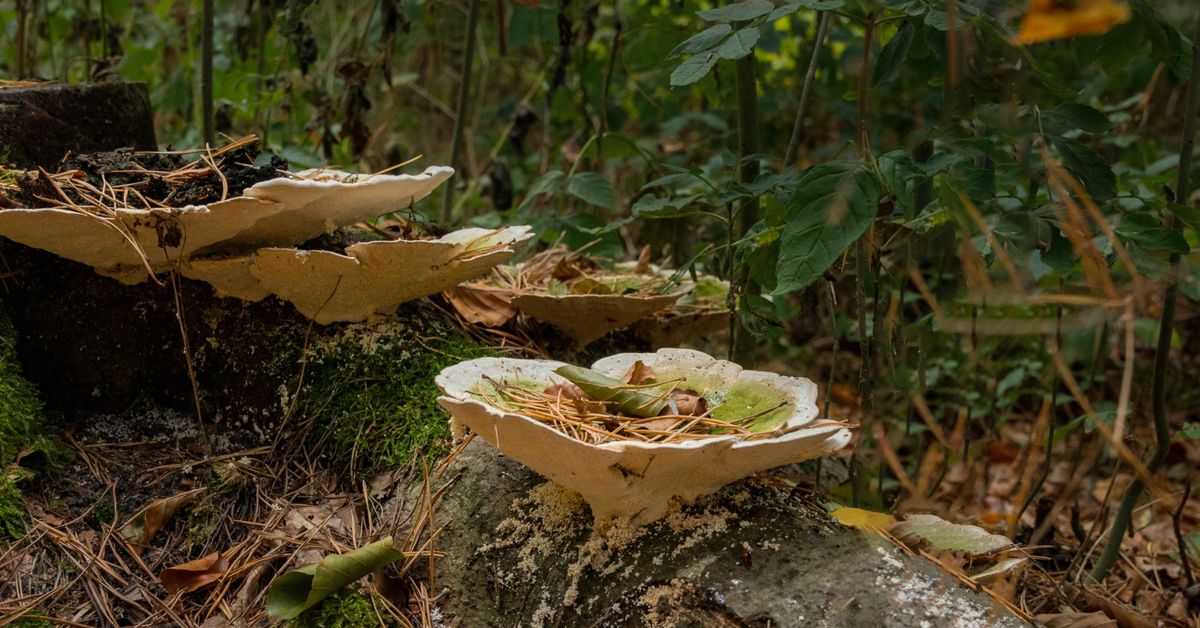
When you make a herbal extract, you are left with the spent plant material after its compounds have been drawn out. A lot of production simply sends this to landfill, where organic waste breaks down and contributes to methane. A better path is to compost it, returning the spent botanical material to the soil rather than the waste stream. It is a small-sounding choice that adds up across a lot of production, and it is the kind of practice we think a botanical company should care about.
Reduce, reuse, repurpose
Most of the waste in any production comes from packaging and single-use materials. The familiar framework of reduce, reuse, and recycle, described by the EPA, applies neatly to herbal extract making. Efficient extraction reduces how much plant material is needed in the first place. Boxes, containers, and filler materials that come in can often be reused or repurposed rather than thrown away. And whatever cannot be reused should be recycled where possible. None of this is glamorous, but it is the honest substance of low-waste production.
Efficiency as sustainability
One of the most underrated sustainability levers is simple efficiency. An extraction process that pulls more from each batch of plant material means less botanical is needed for the same result, which reduces pressure on the plants themselves and the land and water used to grow them. This ties directly into thoughtful sourcing, favoring ingredients grown and gathered responsibly. Efficiency and quality are not at odds with sustainability here, they reinforce each other, and they connect to the clean, careful approach we describe in how we make our extracts.
How we think about it
We want to be careful and honest here rather than overclaim. Sustainability is a direction and a set of priorities, not a finish line, and we are wary of the sweeping green badges that get thrown around. What we can say plainly is that these low-waste practices are areas we consider important in how our products, including our Logic Lion's Mane and Golden Turmeric, are made. It fits the same philosophy that leads us to favor alcohol-free, whole-plant, clean-label extracts, covered in why we choose alcohol-free.
Frequently asked questions
What makes an herbal supplement sustainable? Practices like composting spent botanical material instead of landfilling it, reusing and repurposing packaging, using efficient extraction that needs less plant material, and responsible sourcing. It comes down to applying reduce, reuse, and recycle to production.
What happens to spent herbs after extraction? Ideally they are composted and returned to the soil rather than sent to landfill, where organic waste contributes to methane. Composting spent botanicals is a low-waste practice we care about.
Are Of The Ancients products made sustainably? Low-waste practices like composting spent botanicals, reusing materials, and efficient extraction are areas we prioritize in how our products are made. We frame this as a set of priorities rather than an absolute environmental guarantee.
Why does sustainability matter for supplements? Herbal production uses plants, packaging, and energy, so thoughtful, low-waste practices reduce its footprint and the pressure on the botanicals themselves. Efficiency also tends to support quality, so the two reinforce each other.
These statements have not been evaluated by the Food and Drug Administration. This product is not intended to diagnose, treat, cure, or prevent any disease. This is not medical advice and is for informational purposes only. Before using any dietary supplement, always consult a licensed healthcare professional, especially if you are pregnant or breastfeeding, taking prescription or over-the-counter medications, or have or suspect a medical condition.
Sources
U.S. Environmental Protection Agency. Reduce, Reuse, Recycle.


