
Turmeric Golden Paste: The Recipe and Why It Works
Kate Garcia
Quick answer on golden paste
Golden paste is turmeric cooked gently with water and fat into a thick, spoonable concentrate you keep in the fridge and stir into things across the week. It is worth making for two reasons that are not folklore: curcuminoids are fat-soluble, so the fat genuinely helps, and gentle heat with water improves how the powder disperses. It takes about ten minutes and keeps for two weeks. This is a food preparation rather than a supplement, and we will be clear about what that does and does not mean.
The recipe
Half a cup of ground turmeric, one cup of water, and a third of a cup of a fat you like — coconut oil, ghee or a good olive oil all work.
Put the turmeric and water in a small saucepan over low heat and stir. It will look thin and unpromising for the first minute or two, then quite suddenly thicken into a paste as the starches hydrate. This usually takes seven to ten minutes of gentle cooking with regular stirring. Keep the heat low; you want it barely bubbling, not boiling hard.
When it has the texture of thick mustard, take it off the heat and stir the fat in until it is fully incorporated and glossy. Let it cool, then transfer to a clean glass jar and refrigerate.
It keeps about two weeks in the fridge. It freezes well in an ice cube tray if you want to make a larger batch, which is worth doing since the effort is the same.
Why the fat is doing real work
Curcuminoids, the yellow compounds in turmeric, are fat-soluble. That is a straightforward chemical fact with a straightforward practical consequence: they are absorbed considerably better in the presence of dietary fat than without it.
This is why turmeric has historically been cooked into curries with ghee and coconut milk rather than stirred into water, and why taking a turmeric supplement with a meal containing fat is genuinely better than taking it with black coffee on an empty stomach. We go into the mechanism in what is bioavailability.
The gentle cooking helps too, though less dramatically. Heating the powder with water hydrates the starches and disperses the material more evenly than dry powder stirred into a cold liquid, which is mostly why golden paste blends smoothly into milk while raw turmeric powder clumps and sits on the surface.
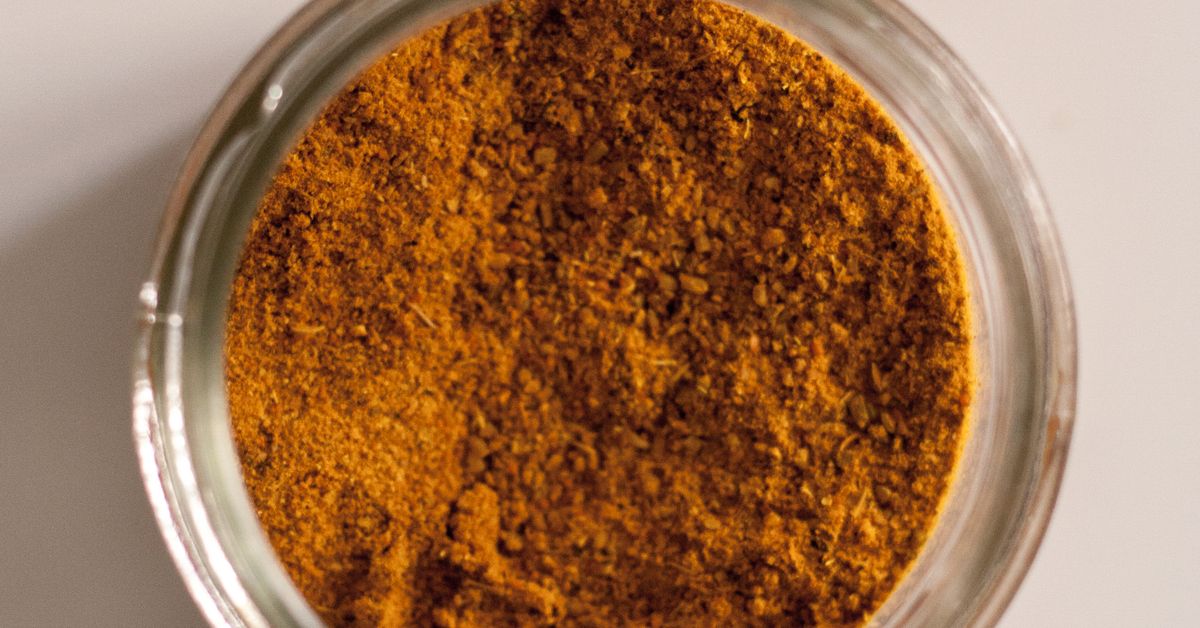
About black pepper
Most golden paste recipes you will find include black pepper, on the basis that piperine increases curcumin absorption. That is a real effect and the research behind it is genuine.
We do not add piperine to our turmeric, and we would rather explain the alternative than pretend the question does not exist. Our approach to absorption is fat pairing, which you are doing anyway in this recipe, combined with whole-root extraction that keeps the surrounding constituents of the rhizome intact rather than isolating curcumin alone. The reasoning is set out in do you need black pepper with turmeric and whole root turmeric versus curcumin.
If you want to add pepper to your own paste at home, that is entirely your call and we are not going to tell you not to season your food. We are telling you what we do in our own formulation and why.
How to use it
A teaspoon is a reasonable serving. Stir it into warm milk with a little honey for golden milk, which we cover properly in the golden milk ritual. Whisk it into salad dressings, where the fat is already present. Stir it through rice, lentils or soup at the end of cooking. Add it to scrambled eggs.
It stains — fingers, wooden spoons, worktops and light-coloured clothing — with real conviction. Use a metal or glass spoon, wipe spills immediately, and do not wear anything you care about while making it.
What this is and is not
Golden paste is a pleasant, traditional, genuinely useful way to eat more turmeric. It is food.
What it is not is a concentrated extract. Ground turmeric powder contains a relatively small percentage of curcuminoids by weight, and cooking it into a paste does not concentrate anything — it improves dispersion and pairs it with fat, which helps, but a teaspoon of paste delivers a fraction of what a standardised extract does. The research on curcumin generally used concentrated preparations rather than culinary turmeric.
Both have a place. Eat the paste because it is good and because it gets turmeric into your week. If you are interested in the amounts the research used, that is a different product, covered in The Complete Turmeric Guide and how much turmeric per day.
Frequently asked questions
How do you make golden paste? Simmer half a cup of ground turmeric with one cup of water over low heat for seven to ten minutes until it thickens, then stir in a third of a cup of coconut oil, ghee or olive oil. Cool and refrigerate.
How long does golden paste keep? About two weeks in a sealed jar in the fridge. It freezes well in an ice cube tray for longer storage.
Why add fat to turmeric? Curcuminoids are fat-soluble and absorbed considerably better in the presence of dietary fat. This is why turmeric has traditionally been cooked with ghee and coconut milk rather than stirred into water.
Do you need black pepper in golden paste? Piperine does increase curcumin absorption, and many recipes include it. Fat pairing achieves absorption benefit on its own, which is the approach we use in our own formulation.
How much golden paste should you use? A teaspoon is a reasonable serving, stirred into milk, dressings, rice or soup. It is a culinary preparation rather than a measured supplement dose.
Is golden paste as strong as a turmeric supplement? No. Ground turmeric contains a small percentage of curcuminoids by weight and cooking does not concentrate them. A concentrated extract delivers considerably more.
Sources
National Center for Complementary and Integrative Health. Turmeric.
US Department of Agriculture, FoodData Central. Spices, turmeric, ground.
National Institutes of Health, Office of Dietary Supplements. Botanical Dietary Supplements: Background Information.
These statements have not been evaluated by the Food and Drug Administration. This product is not intended to diagnose, treat, cure, or prevent any disease.


