
Holy Basil (Tulsi): Benefits and Uses
Natalie Richardson
Please read first: this article is general educational information, not medical advice. Holy basil has been associated with effects on blood sugar and blood clotting, and is generally advised against in pregnancy. Talk to your doctor or pharmacist before taking it, particularly if you take prescription medication.
Quick answer on holy basil
Holy basil (Ocimum tenuiflorum, also written Ocimum sanctum), known as tulsi, is a member of the mint family grown across India and treated in Hindu tradition as sacred rather than simply useful. It is classed as an adaptogen in modern usage, generally on the calming rather than energising side. It is not the same plant as culinary sweet basil. The traditional record is extensive and the human research is small-scale and early, which is a sentence we will keep writing about this category because it keeps being true.
A plant that is worshipped rather than prescribed
Tulsi occupies a genuinely unusual position. In much of India it is grown in a dedicated raised planter in the household courtyard, tended daily, and venerated as a manifestation of the goddess Tulsi. It is watered, circumambulated and offered prayers.
That is a different relationship from the one people have with most medicinal herbs, and it shapes the tradition around it. Tulsi is described in Ayurvedic texts as a rasayana, a rejuvenating tonic taken over long periods for general resilience, rather than as something reached for when a specific complaint appears. Its common English name, the Queen of Herbs, reflects that standing.
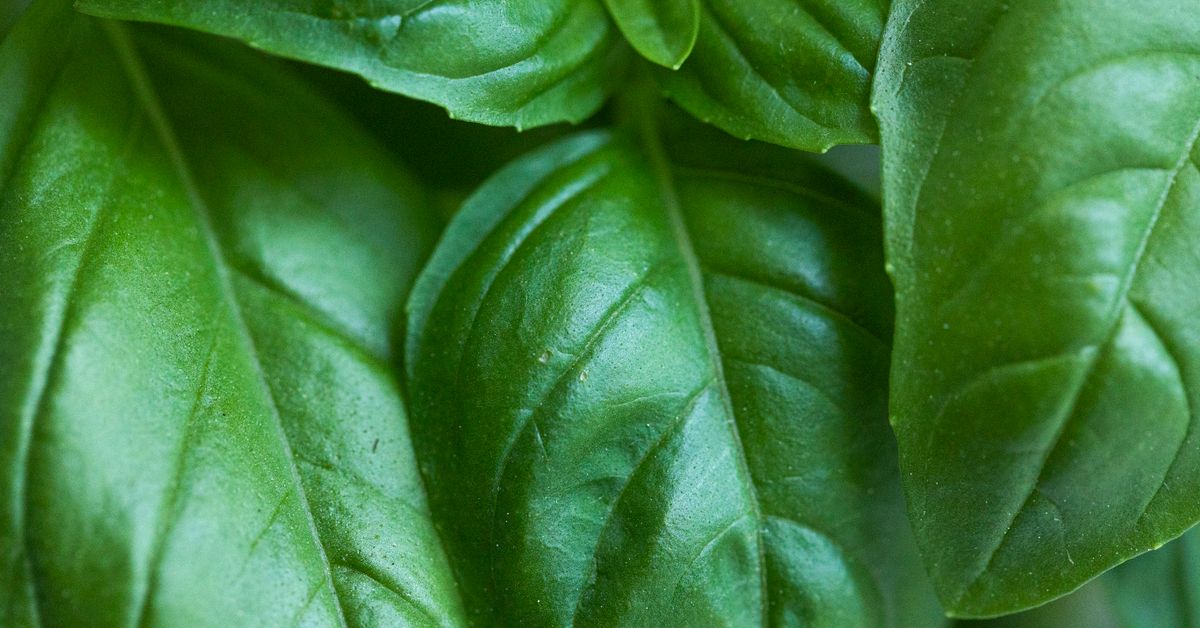
It is worth being precise about the botany too. Holy basil is a distinct species from the sweet basil used in Italian cooking. It has a sharper, more clove-like aroma, driven largely by eugenol, and it is not an ingredient swap.
Where it sits among adaptogens
Tulsi was not part of the Soviet research programme that produced the word adaptogen, which we cover in the history of adaptogens. It was absorbed into the category later, as the term broadened to take in plants from Ayurvedic and Chinese traditions with a similar tonic framing.
Within that category it sits on the calming side, alongside ashwagandha and reishi, rather than the activating side occupied by rhodiola and ginseng. If you are already taking a calming adaptogen, adding tulsi is buying the same row of the menu twice, a point we make in the stacking guide.
What the research covers
Holy basil has a reasonable volume of published work behind it, and the quality is mixed enough that volume alone should not persuade you.
Human trials have looked at perceived stress and general wellbeing over periods of several weeks, with some positive findings. Laboratory and animal work has examined antioxidant behaviour, effects on blood glucose, and a range of other endpoints. Reviews of this literature consistently note the same limitations: small sample sizes, short durations, variable preparations, and inconsistent methodology that makes pooling results difficult.
Two specific findings are worth carrying forward as practical cautions rather than benefits. Holy basil has been associated with lowered blood glucose in some research, which matters if you already take medication that does the same thing. And there is evidence of an effect on blood clotting, which matters if you take anticoagulants.
Neither of those makes it dangerous. Both make it something to mention to a prescriber rather than add quietly, for the reasons set out in supplements and medications.
How people take it
The most traditional and by far the most pleasant route is as tea. Fresh or dried leaves steeped in hot water make a distinctly clove-like, slightly peppery infusion drunk throughout the day in India. It is also the form with the longest safety record by an enormous margin, simply because people have been drinking it for centuries.
Capsules and standardised extracts are the modern supplement format, often standardised to eugenol or to ursolic acid. As with any standardised product, the percentage tells you about one measured compound and not about the rest of the plant, which we unpack in what standardized extract actually means.
It is also easy to grow. Tulsi does well in a pot on a sunny windowsill, which makes it one of the few plants in this category you can simply have rather than buy.
Who should be careful
Holy basil is commonly advised against in pregnancy, and there is limited data on breastfeeding. Anyone taking blood thinners or antiplatelet medication should check first given the clotting findings, and anyone managing blood sugar with medication should do the same. There is also some evidence relating to fertility in animal studies, which is worth raising with a doctor if you are trying to conceive.
And if you are on any prescription medication at all, the most efficient move is to hand your whole supplement list to a pharmacist rather than researching each item separately.
Frequently asked questions
What is holy basil used for? In Ayurvedic tradition it is a rasayana, a rejuvenating tonic taken over long periods for general resilience. In modern usage it is classed as a calming adaptogen and taken for stress.
Is holy basil the same as regular basil? No. Holy basil is Ocimum tenuiflorum, a distinct species with a sharper, clove-like aroma driven by eugenol. Sweet basil is Ocimum basilicum.
Is tulsi safe to take every day? It has been drunk as a daily tea in India for centuries, which is a long safety record. Concentrated extracts are a different proposition, and anyone on medication should check first.
Who should avoid holy basil? It is commonly advised against in pregnancy. Caution is warranted with blood thinners and with blood sugar medication, and it is worth discussing if you are trying to conceive.
Is tulsi an adaptogen? It is classed as one in modern usage, on the calming side. It was not part of the original Soviet adaptogen research and was absorbed into the category later.
How strong is the evidence for holy basil? The traditional record is extensive. Human trials exist but are small, short and methodologically variable, so the findings are suggestive rather than settled.
Sources
National Center for Complementary and Integrative Health. Holy Basil.
National Institutes of Health, Office of Dietary Supplements. Botanical Dietary Supplements: Background Information.
Cohen MM. Tulsi - Ocimum sanctum: A herb for all reasons. Journal of Ayurveda and Integrative Medicine.
National Center for Complementary and Integrative Health. Herb-Drug Interactions.
This article is general educational information and is not medical advice. Consult your physician or pharmacist before starting any supplement, especially if you are pregnant or breastfeeding, take prescription medication, or have a medical condition. These statements have not been evaluated by the Food and Drug Administration. This product is not intended to diagnose, treat, cure, or prevent any disease.


