
Reishi Mushroom Benefits and Uses
Ethan Velez
Reishi has been called the mushroom of immortality in East Asian tradition, and today it is best known as the calming one. Here is what reishi is actually valued for and how to use it.
If lion's mane is the mushroom for the mind and cordyceps the one for energy, reishi is the mushroom for calm. It has one of the longest traditional histories of any functional mushroom, and it fills a specific role in a modern routine. This guide covers what it is, what it is used for, and how to choose a good one.
Quick answer
Reishi (Ganoderma lucidum) is a functional mushroom traditionally valued for calm, relaxation, and evening rest. It has a long history in East Asian wellness as a grounding tonic, and it is rich in compounds like beta-glucans and triterpenes. In a modern routine it is typically taken in the evening to wind down, the opposite end of the day from an energizing mushroom. As with all functional mushrooms, quality comes down to using a fruiting-body extract rather than cheap mycelium on grain.
What reishi is traditionally used for
Reishi is one of the most revered herbs in traditional East Asian practice, where the lingzhi, as it is known in China, was historically associated with calm, longevity, and spiritual grounding. In practical modern terms, reishi is reached for relaxation and evening wind-down rather than a lift or a focus boost. It is the mushroom people pair with rest, which is exactly why it slots into the evening side of a daily routine, as we cover in lion's mane and reishi.
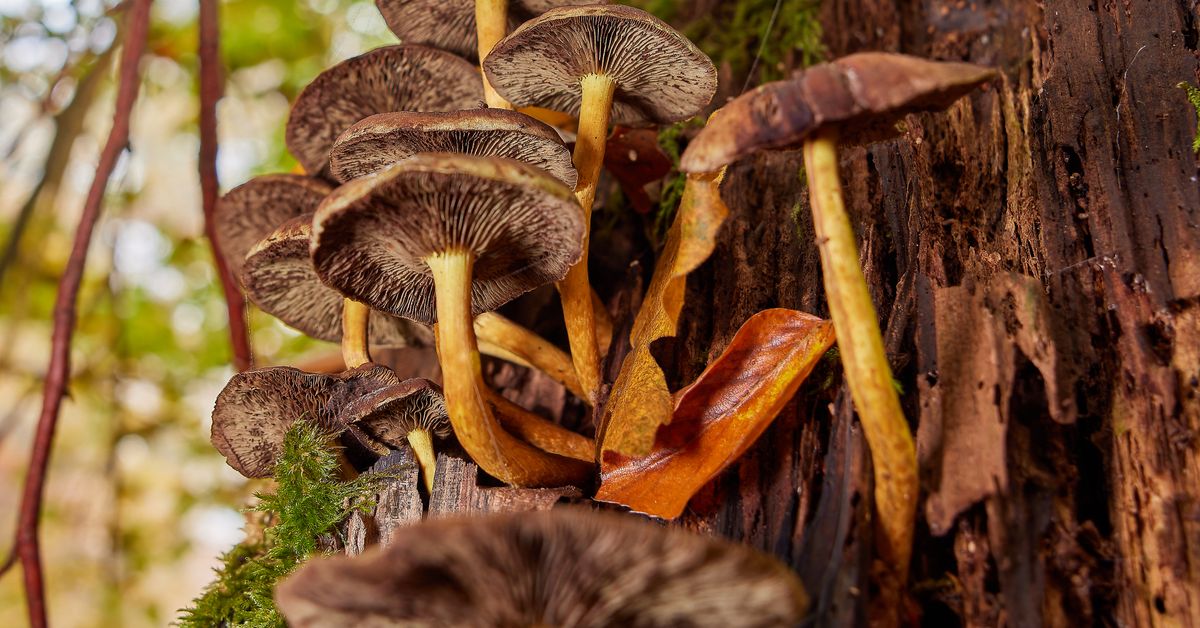
The compounds behind it
Like other functional mushrooms, reishi owes its reputation to a rich compound profile, especially beta-glucans, the well-researched polysaccharides found across medicinal mushrooms, along with triterpenes that are relatively distinctive to reishi. It is worth being honest here: much of reishi's reputation rests on centuries of traditional use and early research rather than large human trials, so it is best thought of as a time-honored calming tonic rather than a proven remedy. That framing keeps expectations realistic while still respecting a genuinely long lineage.
How to take reishi
Reishi is usually taken in the evening as part of a wind-down routine, since its association is with calm and rest. It comes as tinctures, capsules, and powders, and like any mushroom it works best as a consistent daily habit rather than an occasional dose. Many people build a simple day-and-night mushroom rhythm: a focus mushroom like lion's mane in the morning and reishi at night. If you take medications, especially blood thinners or immune-related drugs, or are pregnant or breastfeeding, check with your healthcare provider first, since mushrooms can have mild interactions worth clearing.
Choosing a quality reishi
The same rule that governs every functional mushroom applies to reishi. Much of the cheap market is mycelium grown on grain, which independent lab testing shows is high in starch and low in active compounds, a problem we document in fruiting body vs mycelium using independent testing. Look for a fruiting-body extract, a real extract rather than raw powder, and third-party testing. For the wider category, see what are functional mushrooms.
Frequently asked questions
What is reishi mushroom good for? Reishi is traditionally valued for calm, relaxation, and evening rest. It is the functional mushroom most associated with winding down, as opposed to focus or energy. Much of its reputation rests on long traditional use.
When should I take reishi? Most people take reishi in the evening as part of a wind-down routine, since it is associated with calm and rest rather than a daytime lift.
Is reishi a stimulant? No. Reishi is the opposite of a stimulant, traditionally used for relaxation and grounding. Cordyceps is the mushroom associated with energy, while reishi is associated with calm.
How do I choose a good reishi supplement? Look for a fruiting-body extract rather than mycelium on grain, favor a real extract over raw powder, and choose brands that publish third-party testing.
These statements have not been evaluated by the Food and Drug Administration. This product is not intended to diagnose, treat, cure, or prevent any disease. This is not medical advice and is for informational purposes only. Before using any dietary supplement, always consult a licensed healthcare professional, especially if you are pregnant or breastfeeding, taking prescription or over-the-counter medications, or have or suspect a medical condition.
Sources
Lingzhi (Ganoderma lucidum, reishi): traditional use and background. Wikipedia.


